|
In today’s competitive digital world, Web3 teams face more challenges in acquiring users, especially with rising customer acquisition costs (CAC) and growing brand distrust. Web3 projects, built on transparency and community engagement, require unique strategies to attract and retain users. In this article, we’ll explore 5 Web3 user acquisition tools that can efficiently grow your project. Let’s dive in! Key Takeaways Web3 user acquisition focuses on community building, education, incentives, and wallet targeting. Use onchain data to boost engagement and conversions. Top 5 tools: Formo, Kazm, Galxe, Collab.Land, and QuestN Build a user acquisition plan with clear goals, analytics, and iterative campaigns.
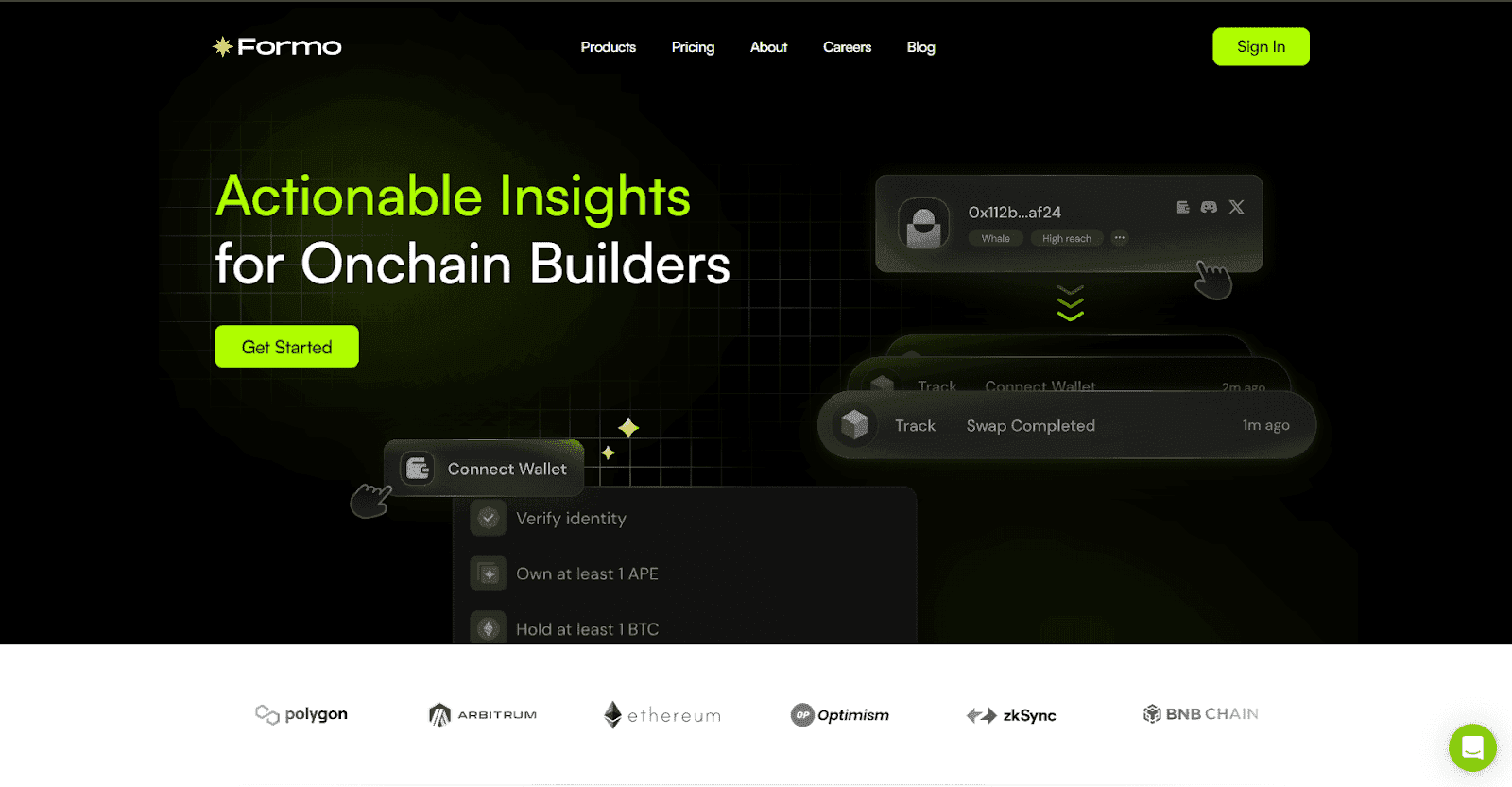
Web3 user acquisition involves innovative strategies tailored to attract and retain onchain users What is Web3 User Acquisition?User acquisition is the process of attracting new users to an application, platform, game, or service. In marketing, this strategy focuses on reaching out to new customers and persuading them to purchase a product or service through targeted activities. The ultimate goal of customer acquisition is to build a sustainable customer base over time. Web3 user acquisition focuses on attracting and retaining users for decentralized apps (Dapps). Unlike Web2, this approach emphasizes community building and education. Web3 user acquisition emphasizes community building and education What Are Web3 User Acquisition Tools?Web3 user acquisition tools help projects attract and onboard users—turning anonymous wallet traffic into engaged community members or paying users. These tools are the Web3 alternative to traditional customer acquisition software, designed to guide Web3 users through the customer acquisition journey, from initial awareness to activation, engagement, and conversion. 5 Web3 User Acquisition ToolsHere are the 5 best Web3 user acquisition tools list to turbocharge your projects: 1. FormoFormo is a data platform for onchain apps. Designed to be an alternative to Mixpanel and GA, it combines the best features from web, product, and onchain analytics into one versatile platform. Formo offers privacy-friendly analytics and attribution critical for data-driven user acquisition in web3. The platform also lets you create token-gated forms and surveys while leveraging onchain data such as token ownership and wallet addresses. With Formo, you can identify high-value users and make data-driven decisions for growth.
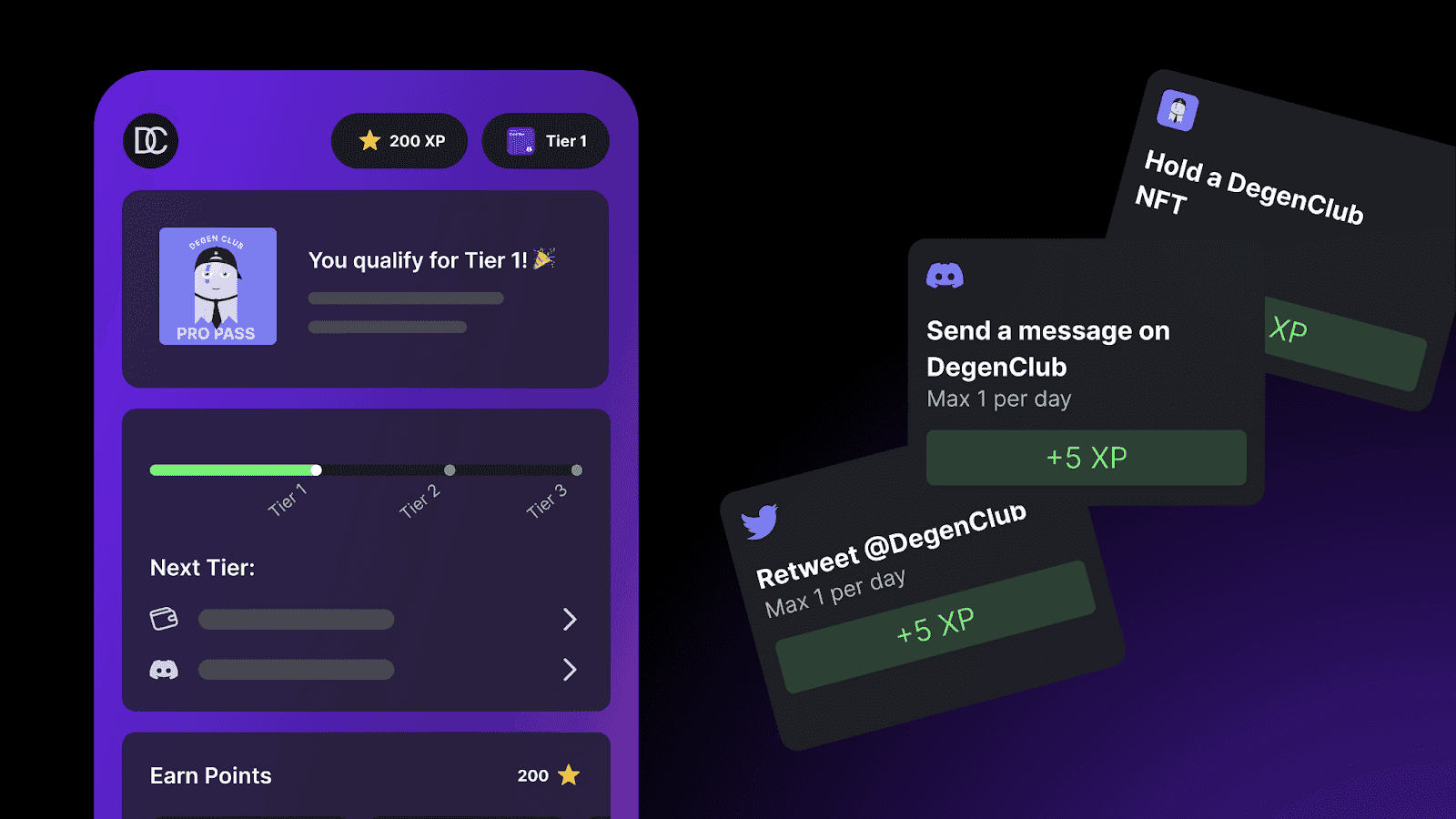
Formo How to use: Set up instant analytics and attribution for your onchain app to understand where users come from and what they do. Create and embed Web3 forms to collect user feedback, run allowlists, and capture user insights. Leverage this onchain data to acquire users and drive impact onchain. Get started for free: app.formo.so 2. KazmKazm utilizes Web3 memberships to create a sense of community and build loyalty programs. Kazm focuses on analytics and data-driven insights to help you understand user behavior and optimize your marketing strategies for better acquisition results.
Kazm How to use: Integrate Kazm into your project to track user participation and reward loyal community members through challenges, collaborations, or community milestones. 3. GalxeGalxe helps projects grow by incentivizing users to learn and engage with Web3 applications through quests. This platform provides decentralized identity solutions, enabling you to build trust and improve user onboarding processes.
Galxe How to use: Set up educational and engaging quests where users complete actions (such as signing up for services or interacting with your dApp) in exchange for rewards such as tokens or NFTs. You can access and sign up for Galxe here: galxe.com 4. Collab.LandCollab.Land manages token-gated communities on Discord and Telegram, driving user engagement. This tool integrates with these platforms, allowing you to engage users directly where they communicate. You can create communities on 24 different L1 and L2s using fungible tokens and NFTs.
Collab.Land How to use: Integrate Collab.Land into your project’s Discord or Telegram to allow users with your project’s token or NFT to access special channels. To get started with the Collab.Land tool, visit: collab.land 5. QuestNQuestN rewards users for completing specific tasks and learning about Web3. With over 40 quest and event templates, this tool gamifies the user experience by allowing you to create quests that users complete for rewards.
QuestN How to use: Create campaigns with tasks users must complete to earn rewards (such as tokens or NFTs). These tasks can include engaging with your social media, signing up for newsletters, or using your platform to drive active user growth. To get started, access QuestN via this link: questn.com Top 4 Web3 User Acquisition StrategiesHere are 4 effective strategies to enhance your Web3 user acquisition efforts. Data-Driven TargetingUtilize onchain data to understand user behaviors and preferences, complemented by offchain tools for broader outreach. This double approach enhances the precision of your marketing efforts. Community EngagementBuilding a strong community through platforms like Telegram and Discord builds loyalty and drives organic growth. Engage users with educational content and community events to boost retention. GamificationImplement gamified experiences to engage users by providing engaging tasks that incentivize participation. This strategy proves effective for improving brand engagement in Web3. Incentive ProgramsOffer rewards such as airdrops or token-based contests to drive short-term user acquisition. Ensure long-term engagement by building products with real value beyond the initial incentives. Web3 User Acquisition Strategies ExamplesSuccessfully acquiring users in Web3 requires a mix of innovative approaches. Below are 5 proven strategies with real-world examples: 1. Bored Ape Yacht Club (BAYC)Creating a vibrant, loyal community is at the heart of many successful Web3 projects. Bored Ape Yacht Club (BAYC) leveraged gated access and exclusive events to cultivate a strong sense of belonging and hype within its community. Source: How BAYC Uses Exclusive Access to Maintain its Value 2. Uniswap’s UNI tokenIncentivizing users through token rewards is a highly effective way to encourage participation and loyalty. A landmark case is Uniswap’s UNI token airdrop, which rewarded past users with governance tokens, boosting platform engagement. Source: 3. Coinbase’s Learning Reward ProgramLowering the entry barrier with educational initiatives is critical for mass adoption. Coinbase’s “Earn While You Learn” program incentivizes users to learn about cryptocurrencies by rewarding them with tokens, effectively combining education with user acquisition. Source: Coinbase.com How to create a Web3 user acquisition plan for startupsA customer acquisition strategy framework helps startups structure and systematize how they attract, convert, and retain users across different channels, tactics, personas, and tools. Here’s a comprehensive step-by-step Web3 acquisition process to guide your team: 1. Define Your Target AudienceStart by identifying your Ideal Customer Profiles (ICP). Build detailed personas based on demographics, needs, behaviors, and pain points. In Web3, enrich these web3 user profiles with wallet activity and protocol usage patterns. Example: NFT collectors with >10 transactions, active on Farcaster. Segment wallets by traits: Whale vs. Retail New vs. Repeat user NFT collector vs. DeFi degen 2. Set Clear Acquisition GoalsDefine what success looks like. Set SMART goals (Specific, Measurable, Achievable, Relevant, Time-bound) with KPIs such as: Number of sign-ups CAC (Customer Acquisition Cost) Activation rate Revenue per wallet (RPW) 3. Analyze Your Market & CompetitorsResearch your market landscape and competitors' acquisition strategies. Identify gaps or underserved niches where you can stand out. Look for patterns in what works and what doesn't. 4. Choose Acquisition ChannelsSelect the channels that best reach your target audience. Mix traditional, Web2, and Web3-native approaches. Channel Type Examples Paid Google Ads, Twitter Ads, Reddit Ads Owned SEO, Blog, Newsletter, Discord community Earned PR, Influencer mentions, Backlinks Onchain-native Airdrops, Referrals, Quests, NFT campaigns Social X (Twitter), Farcaster, Telegram Partnership Collabs, Integrations, Cross-promotions 5. Develop Tactics & Campaigns Engage potential customers with valuable content, product demos, webinars, or educational material that highlights your value proposition. Design campaigns tailored to each channel. For example 6. Create a Budget & TimelineEstimate costs and allocate resources across your chosen channels. Define a timeline for campaign launch, testing cycles, and scaling successful tactics. Be realistic, especially during early-stage growth. 7. Build a Conversion FunnelMap the journey from awareness to activation, and optimize each stage with clear CTAs and content. Example of Web3 funnel: Impression → Wallet connect → Onchain action → Retained wallet 8. Implement Tracking & AnalyticsTrack and analyze performance using the right tools (e.g., Google Analytics, CRM, or Web3-native platforms like Formo). Metric Web3 Example CAC (Cost per Acquisition) $5 per wallet Activation Rate 60% perform first transaction Retention 45% return within 1 week LTV / RPW (Revenue per Wallet) $45 Revenue per Wallet 9. Test, Iterate & Optimize Run A/B tests on copy, design, incentives, and channels. Monitor results closely: Double down on top-performing tactics Sunset underperformers Improve onboarding with tutorials, support, and walkthroughs 10. Leverage Feedback & CommunityUse community touchpoints to build trust, capture actionable insights, and boost retention. Send targeted updates via email, Discord, or Telegram Collect user feedback to improve the product and messaging Build community-led growth with incentives, gamification, and recognition As competition increases, acquiring users before or during a launch becomes more challenging. Effective Web3 user acquisition combines community engagement, content creation, paid ads, PR, and influencer marketing. By focusing on strong communities and providing real value, Web3 projects can attract and retain users, leading to Web3 product-market fit. Read more: Follow us on LinkedIn and Twitter, and join our community for more onchain growth insights. FAQs1. How do Web3 user acquisition tools differ from Web2 tools? 2. What is the best user acquisition tool for early-stage Web3 projects? 3. Can I integrate multiple Web3 user acquisition tools at the same time? 4. How do I measure success if Web3 wallets are pseudonymous? 5. What are common mistakes in Web3 user acquisition? Over-focusing on incentives without building community Ignoring analytics and attribution Poor onboarding flows Weak user retention strategies Lack of product–market fit Misaligned product positioning To succeed in Web3 growth, focus on building long-term value, community engagement, and actionable insights—not just short-term incentive campaigns. (责任编辑:) |