|
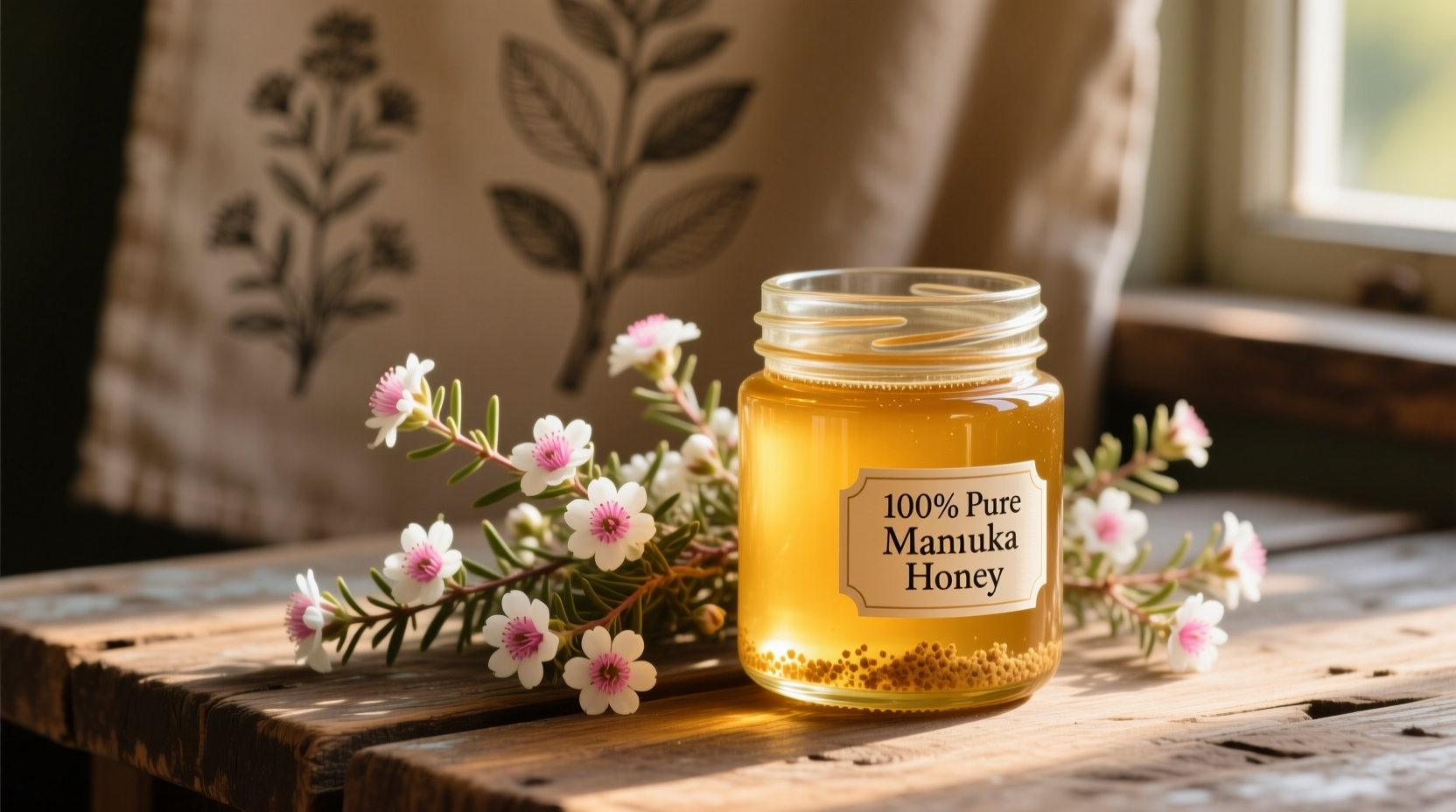
Manuka honey is a unique type of honey produced exclusively by bees that pollinate the manuka bush (Leptospermum scoparium) native to New Zealand and parts of Australia, distinguished by its high methylglyoxal (MGO) content which provides exceptional antibacterial properties not found in regular honey. Discover why this golden nectar has captured global attention beyond ordinary honey. Unlike standard varieties, genuine manuka honey contains significantly higher levels of methylglyoxal (MGO), a compound responsible for its remarkable non-peroxide antibacterial activity. Scientific research confirms these properties remain effective even when diluted, making it valuable for specific applications where regular honey falls short. Where Manuka Honey Comes From and Why Location MattersThe story begins with the manuka plant (Leptospermum scoparium), a hardy shrub thriving in New Zealand's rugged landscapes and parts of southeastern Australia. For centuries, New Zealand's indigenous Māori people utilized manuka leaves and bark for medicinal purposes, though they didn't harvest the honey itself. European settlers later noted the plant's therapeutic potential, but it wasn't until the 1980s that Dr. Peter Molan at the University of Waikato began systematic research into the honey's unique properties. What makes New Zealand so crucial? The country's pristine environment, distinct seasonal patterns, and isolation have created ideal conditions for manuka plants to develop specific chemical profiles. While manuka grows elsewhere, New Zealand's particular climate and soil conditions produce plants with higher concentrations of dihydroxyacetone (DHA), which naturally converts to MGO in the honey. Australian producers also create manuka honey, but New Zealand accounts for approximately 90% of global production and has established the most recognized quality standards.
Characteristic
Manuka Honey
Regular Honey
While all honey contains some antibacterial properties primarily from hydrogen peroxide, manuka honey's magic lies in methylglyoxal (MGO). This compound forms naturally when bees convert dihydroxyacetone (DHA) from manuka nectar into MGO during honey maturation. Unlike hydrogen peroxide which breaks down easily, MGO provides stable, non-peroxide antibacterial activity that remains effective even when diluted or exposed to heat and light. Research published in the Journal of Apicultural Research confirms that manuka honey's unique composition allows it to combat antibiotic-resistant bacteria like MRSA. The New Zealand Ministry for Primary Industries explains that authentic manuka honey must contain specific chemical markers: leptosperin, DHA, and MGO at measurable levels. These markers verify both the honey's origin and its antibacterial potency.
With growing popularity comes increasing fraud. A 2020 study by the European Commission found that up to 60% of manuka honey products tested outside New Zealand didn't meet authenticity standards. To ensure you're getting the real product, look for these verified indicators: UMF Certification: The UMF (Unique Manuka Factor) Honey Association's rating system (UMF 5+ to UMF 20+) verifies purity and potency through independent testing MGO Levels: Products labeled with specific MGO content (100mg/kg to 800mg/kg+) provide transparent measurement of active compounds New Zealand Government Mark: Authentic products carry the official New Zealand government test report confirming four chemical markers Be wary of products labeled simply "manuka" without certification numbers. The UMF Honey Association maintains a verified licensee directory to help consumers identify legitimate products. Remember that true manuka honey has a distinctive earthy, slightly bitter taste and thicker consistency compared to regular honey. Practical Applications: When Manuka Honey Delivers Real ValueUnderstanding where manuka honey provides genuine benefits versus where regular honey suffices helps make informed decisions. Based on current scientific consensus: Recommended for: Medical-grade manuka honey (UMF 10+ or MGO 250+) has demonstrated effectiveness in wound care. The FDA has approved specific manuka honey products as medical devices for treating minor wounds and burns. Research in the International Wound Journal shows it creates a moist healing environment while preventing bacterial growth. May offer benefits for: Some studies suggest manuka honey might help soothe sore throats and support oral health due to its antibacterial properties, though more research is needed. A 2019 study in Microbiology and Biotechnology Letters found potential benefits for oral bacteria when used as a mouth rinse. Not significantly different from regular honey for: General sweetening, baking, or everyday consumption. The American Heart Association recommends limiting all added sugars, including honey, to no more than 25g daily for women and 36g for men regardless of type. Common Misconceptions About Manuka HoneyDespite its legitimate benefits, manuka honey faces significant hype. Current scientific evidence does not support claims that it: Cures cancer (despite some preliminary lab studies, no human trials show efficacy) Prevents or treats COVID-19 (the FDA has warned companies making such claims) Provides significantly better general nutrition than other honeys The University of Oxford's Evidence-Based Medicine team emphasizes that while manuka honey shows promise for specific medical applications, most health claims circulating online lack robust clinical evidence. As with any natural product, moderation and realistic expectations are key. How to Use Manuka Honey EffectivelyFor maximum benefit while avoiding wasted investment: For wound care: Use medical-grade products specifically designed and approved for this purpose, not food-grade honey For potential throat soothing: Take 1-2 teaspoons of UMF 10+ honey slowly to coat the throat, preferably before bed For general wellness: Remember that all honey is primarily sugar - use sparingly as part of a balanced diet Storage: Keep in a cool, dark place (not the refrigerator) in its original container to preserve active compounds When incorporating into warm beverages, add manuka honey after removing from heat (below 40°C/104°F) to preserve its active compounds, which degrade at higher temperatures. (责任编辑:) |