|
(Adventure Photo/ Getty Images ) If you follow the weather, you know that meteorological winter has been in effect since Dec. 1 (here’s a crash course on why meteorological winter is different than astronomical winter, the tl;dr being that the coldest three months of the year start Dec. 1, rather than later in December, so it makes sense from a data perspective to start then). But if you look at the calendar on your wall, you’ll see it telling you that winter starts on Sunday. That’s because Sunday is the first day of astronomical winter, marked by the winter solstice, also known as the winter equinox. When Is The Winter Solstice?If you like to be exact about these things, this year’s winter solstice will occur this Sunday, Dec. 21, at 10:03 a.m. EST.
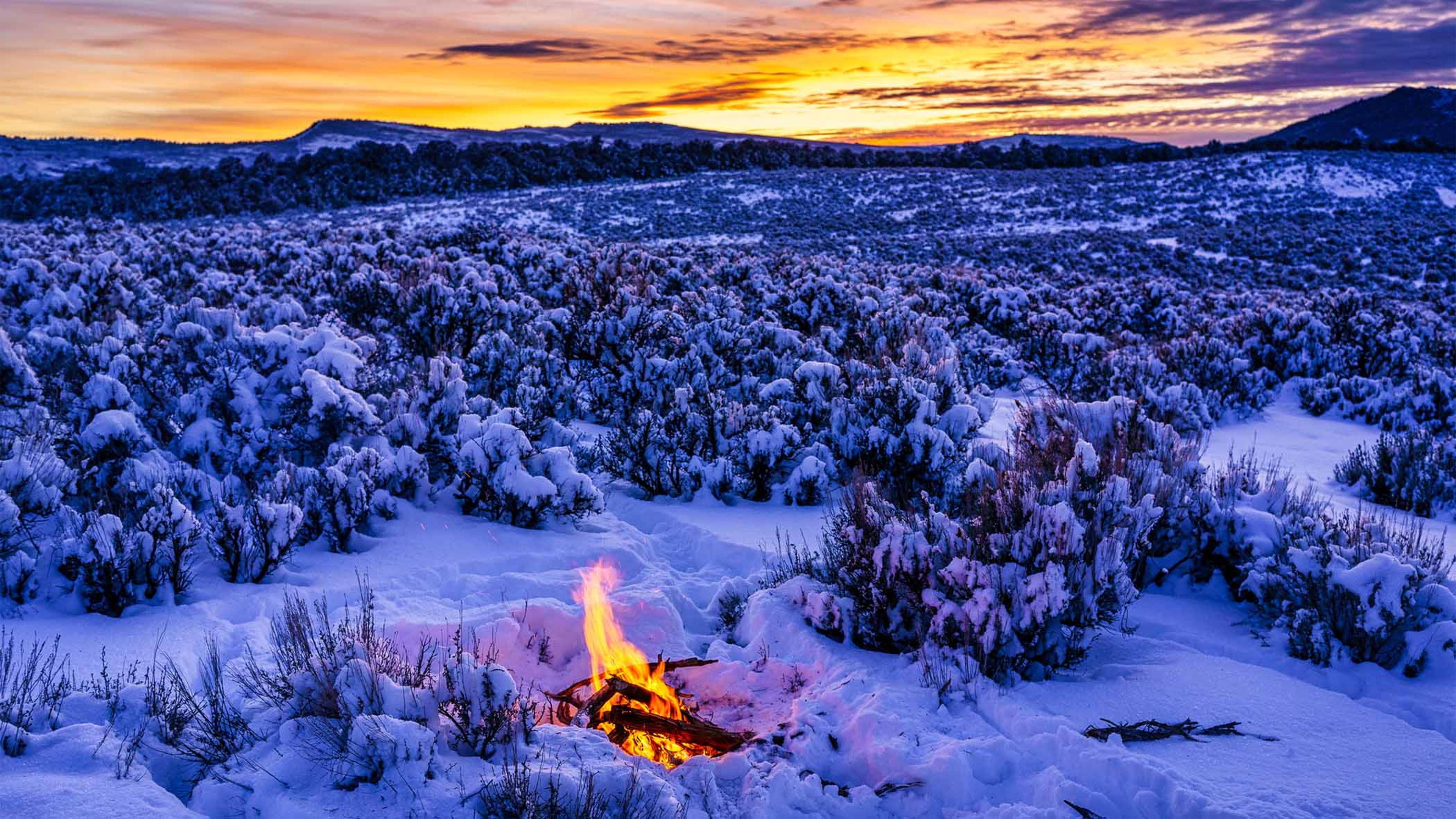
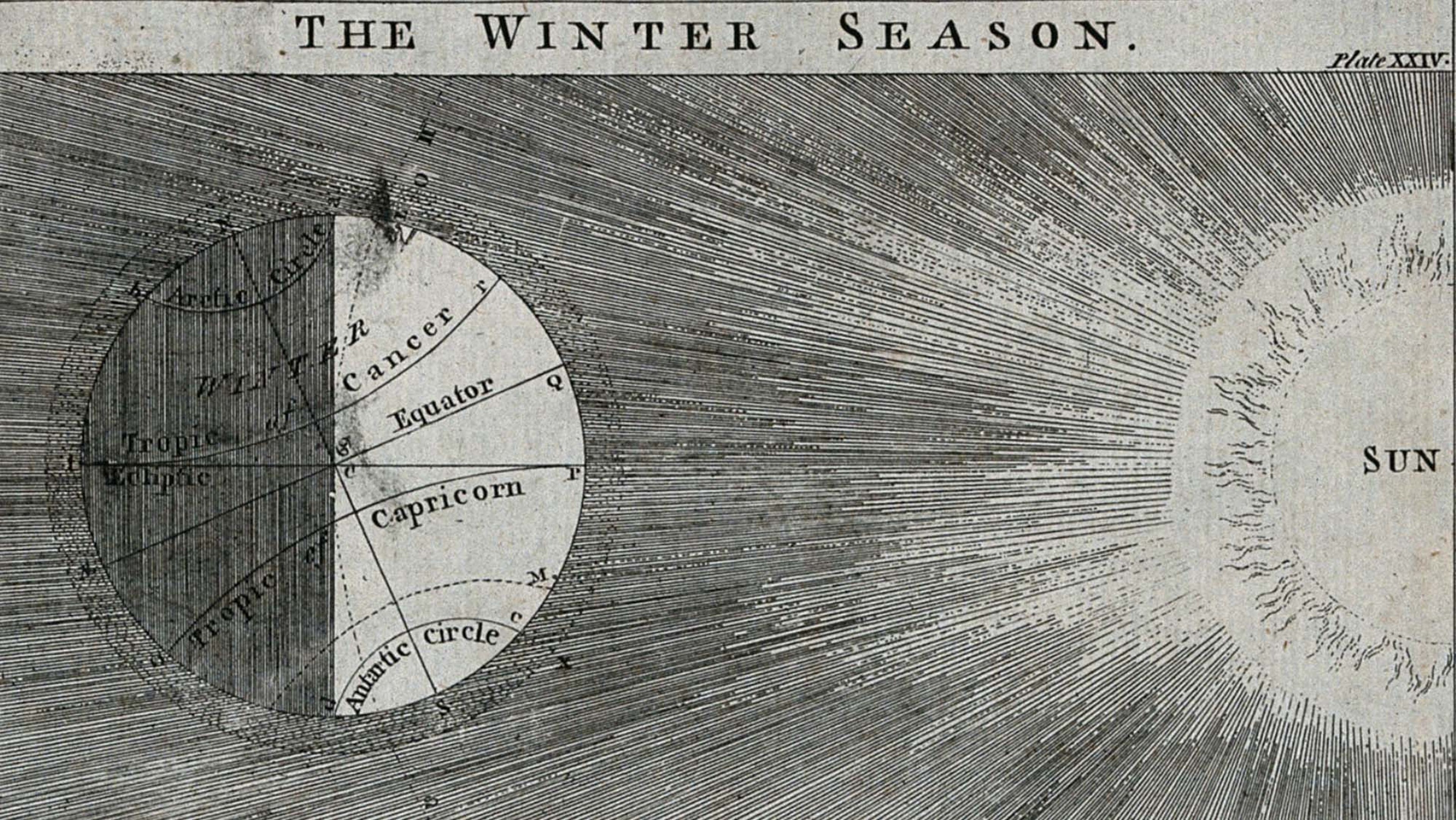
Weather in your inbox By signing up you agree to the Terms & Privacy Policy. Unsubscribe at any time. What Is The Winter Solstice?The winter solstice is the moment in time when the sun's most direct rays are shining farthest south on the Earth, directly over the Tropic of Capricorn. It's when the Northern Hemisphere is tilted farthest away from the sun. The day of the winter solstice features the least amount of possible daylight hours and the longest night in the Northern Hemisphere. The reverse is true in the Southern Hemisphere. Soon after the winter solstice, the number of daylight hours in the Northern Hemisphere will gradually grow longer each day until the summer solstice in late June, when the greatest amount of daylight hours occurs. What Will The Weather Be Like This Year?With the many temperature changes we’ve already been seeing this month, you might be wondering if it will feel much like winter on the day of the winter solstice this year. According to weather.com meteorologist Jennifer Gray, "The West will still be very unsettled, with heavy rain and mountain snow. We could see some snow showers across portions of the Great Lakes and northern New England. Possibly some showers along the Gulf Coast. Otherwise very quiet! Also, a HUGE chunk of the country will be running 10-20 degrees above average!" How To Celebrate The Winter SolsticeThe winter solstice is the shortest day and longest night of the year in the Northern Hemisphere, and many places commemorate it with big celebrations. Around the world, different people have various ways and traditions of celebrating the darkest day. While it’s dark, the day also marks the “returning of the sun,” and many celebrate the day as a symbolic time of rebirth or a time to celebrate light. From enjoying a warm feast with friends to gathering around a bonfire in contemplation or song, the day offers an opportunity for reflection, fellowship and renewal.
A 19th century engraving showing the winter season. (The Wellcome Collection) How A Tilted Earth Gives Us Our SeasonsLooking from space, the Earth isn't aligned in such a way that a line going through the planet's poles is vertical. Rather, the Earth has a tilt of roughly 23.5 degrees off a vertical axis. Because of that tilt, the Northern and Southern Hemispheres are tilted either toward or away from the sun at different times of the year as the Earth makes its orbit around its closest star. As a result, the most direct sunlight shifts between a band of latitudes, specifically between the Tropic of Cancer and Tropic of Capricorn, throughout the year, leading to the change of seasons seen in the middle and higher latitudes. Senior writer Chris DeWeese edits Morning Brief, The Weather Channel’s weekday newsletter. (责任编辑:) |