|
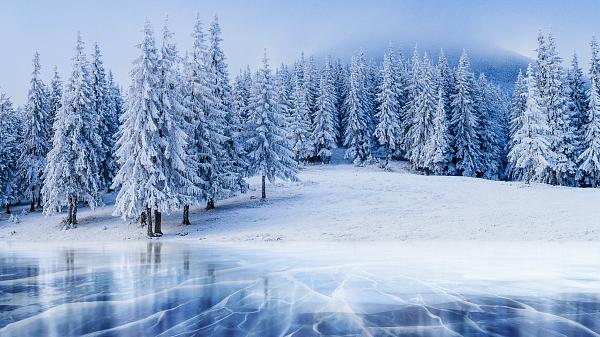
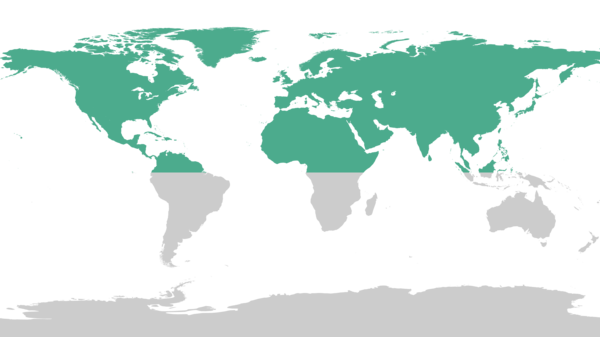
In the temperate and polar zones, winter is the cold season. ©iStockphoto.com/standret Equal day and night? It happens at the solstice! Winter Dates for 2025 and 2026According to the astronomical definition, winter begins with the winter solstice. In the Northern Hemisphere, it's the December solstice; south of the equator, it is the solstice in June. What is a solstice? Winter Solstice, Northern Hemisphere (December) North America, Europe, most of Asia, Northern Africa
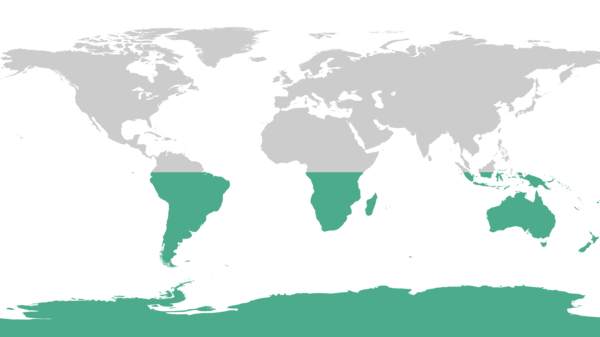
In San Jose, California, USA: Sunday, December 21, 2025 at 7:03 am PST (Change location) Winter Solstice, Southern Hemisphere (June) Australia, New Zealand, South America, southern Africa
In San Jose, California, USA: Sunday, June 21, 2026 at 1:24 am PDT (Change location) Solstices and equinoxes in your city Advertising Meteorologists use a different method of defining the first day of winter. And, in some countries, the beginning of the seasons is determined by average temperatures rather than fixed dates or astronomical events. Meteorological and other seasons definitions Days Get Longer During WinterAstronomical winter begins at the winter solstice, which is the shortest day of the year. This means days get longer during winter—very slowly at first, but at ever-larger daily intervals as the March equinox approaches, heralding the start of spring. Locations closer to the poles experience larger differences in day length throughout the year, so winter days are shorter there. In Toronto, the shortest day is just under 8 hours and 56 minutes long; in Miami, roughly 2000 kilometers or 1200 miles farther south, it lasts about 10 hours and 32 minutes. Places within the polar circles experience polar night during all or part of the winter season when the Sun does not rise at all. Earliest sunset is not on the shortest day
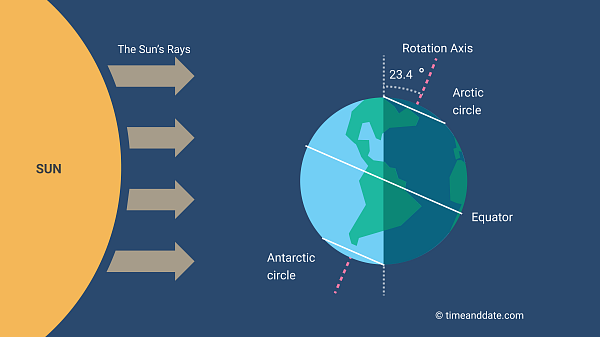
Earth's orientation at the December solstice © timeanddate.com Longer Days, but Falling TemperaturesAlthough daylight hours increase during the winter months, temperatures continue to fall in most regions. This is because it takes time for Earth, particularly its oceans, to change temperature—an effect known as seasonal lag. (As a comparison, the planet Mars has seasons but no oceans, so there is almost no seasonal lag.) Winter Traditions and FolkloreThe start of winter and the winter solstice are celebrated in cultures and religions around the world with various traditions, holidays, and festivals. Winter festivals: Christmas, Juul, and Saturnalia Winter MonthsIn the Northern Hemisphere, astronomical and meteorological winter runs from December to March. South of the equator, it starts in June and ends in September. Read more about the history and meaning of the winter months: Northern winter monthsDecember | January | February | March Southern winter monthsJune | July | August | September How Long Is Winter?The Earth does not move at a constant speed in its elliptical orbit, so the seasons are not of equal length. On average, winter lasts for 89.0 days in the Northern Hemisphere and 93.6 days in the Southern Hemisphere. Average season lengths: Topics: Astronomy, Seasons, December, June, Sun, Solstice (责任编辑:) |